
Why face-to-face time matters for little ones.
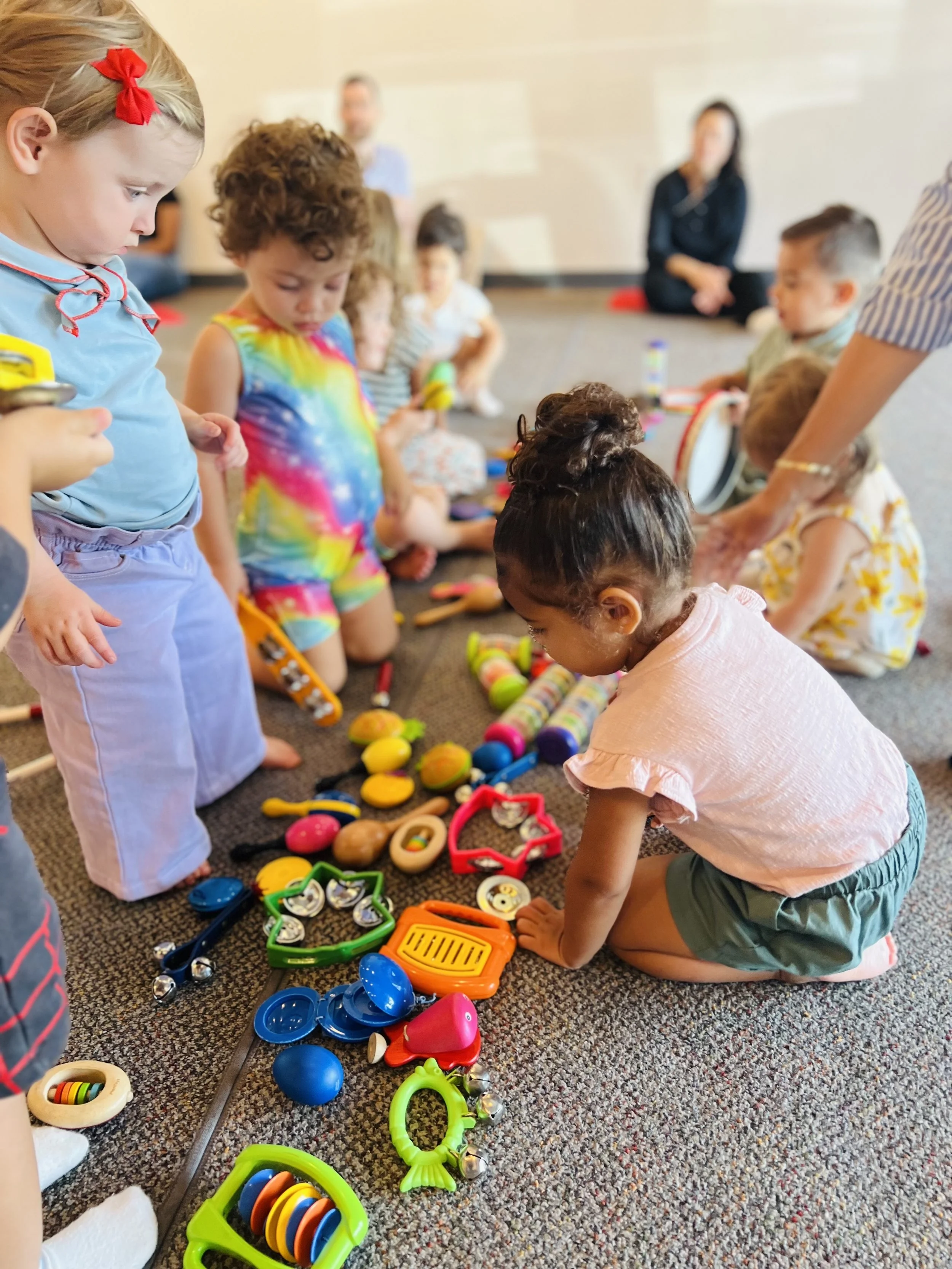
Babies, toddlers and preschoolers in Ladybug Music Class
Lately I’ve been thinking about what kids are needing right now, beyond learning songs.
I’m hearing the same thing from a lot of early childhood teachers: many preschoolers are having a harder time with basic group routines and social skills lately. And I’m seeing it up close too.
Face-to-face is how little ones learn people
For young children, being face-to-face isn’t just “social.” It’s how they learn:
how to read a friend’s expression
how to notice “too close” or “too loud”
how to take turns without words
how to repair after a bump or a grab
how to feel safe with a teacher’s steady presence
It’s real-time feedback. Warmth. Connection. Practice.
What I’m noticing (as a teacher)
I’m currently piloting a Ladybug Music preschool enrichment program, and teaching it myself. It’s been a clear reminder that some children are walking into preschool without much practice in:
being in a group (with faces, voices, bodies all around)
following a simple flow
waiting and taking turns
transitioning from one activity to the next
handling big feelings in a room full of people
None of this means anything is “wrong.” It just means they haven’t had as many chances to practice.
Why Ladybug gives kids a head start
This is one of the quiet superpowers of coming to class. Yes, we do music.
But we’re also doing face-to-face community in a gentle, predictable way:
the same day and time
familiar teacher, familiar songs
friendly faces you recognize each week
a rhythm the body can trust
And inside that steady container, kids practice being with others, little by little.
If your child is in a big-feelings season
You’re not alone. And you don’t have to wait until it passes.
Sometimes the most supportive thing is keeping one warm, familiar weekly routine where your child can practice being in community, with you nearby and a teacher holding the room.
With love & music,
Patricia
Founder & Creator,
Ladybug Music